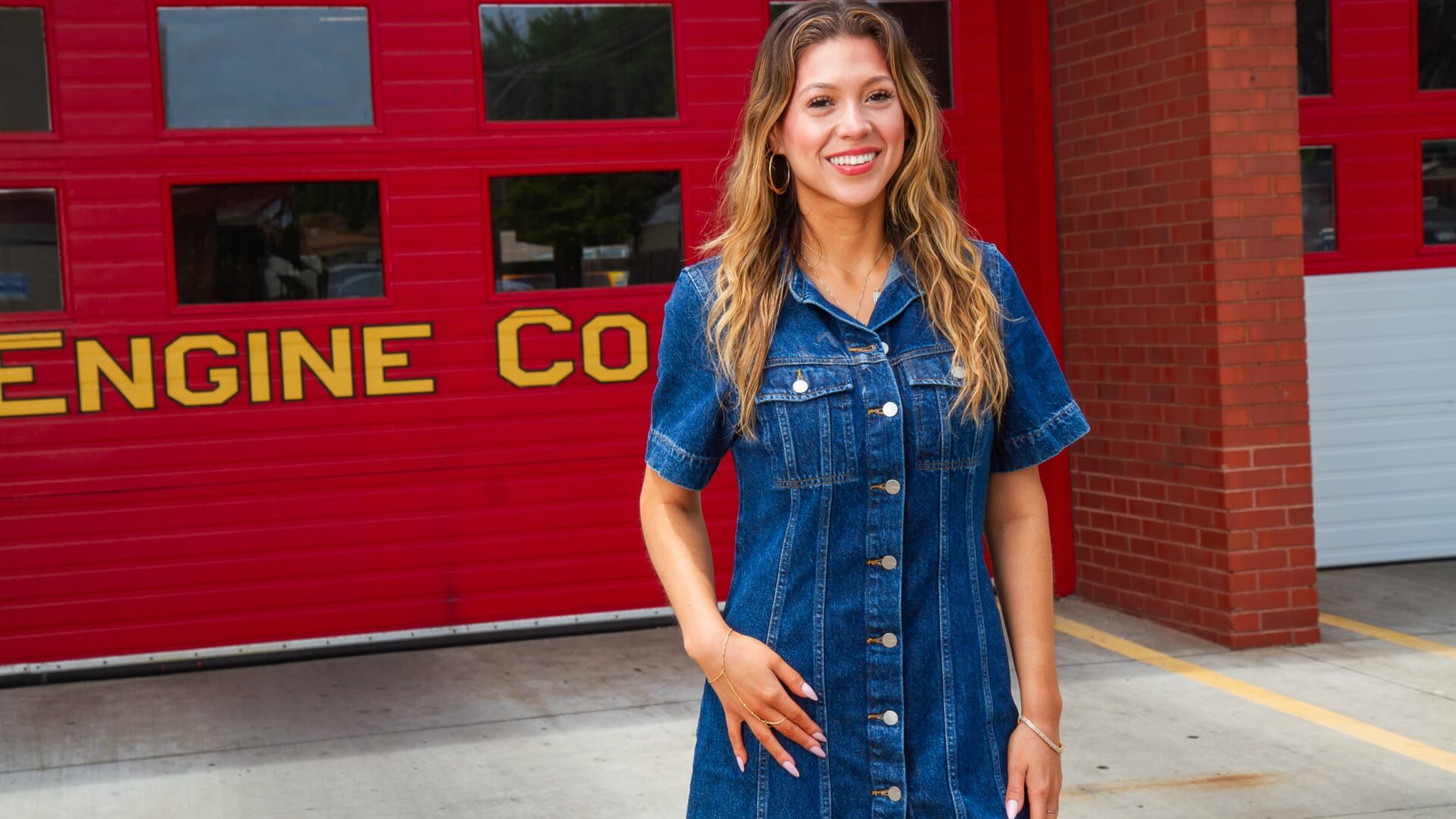
Melissa Padilla understands the quiet responsibility of being first. Long before she began imagining herself as a content creator, a leader, or a visible voice within Chicago’s Latina community, she was the daughter standing between languages, cultures, and expectations. Born in Aurora to parents who came from Mexico shortly before she was born, she grew up with Spanish as her first language and the early awareness that translation could become a form of love, duty, and survival.
Her parents built their life with the kind of pride that immigrants often carry with few speeches and countless sacrifices. When they moved to Plainfield, into a neighborhood where Hispanic families were scarce, the house represented more than stability. It was proof of progress, a visible marker that their work had taken root in American soil while their family remained deeply tied to Mexican tradition, language, food, and memory.
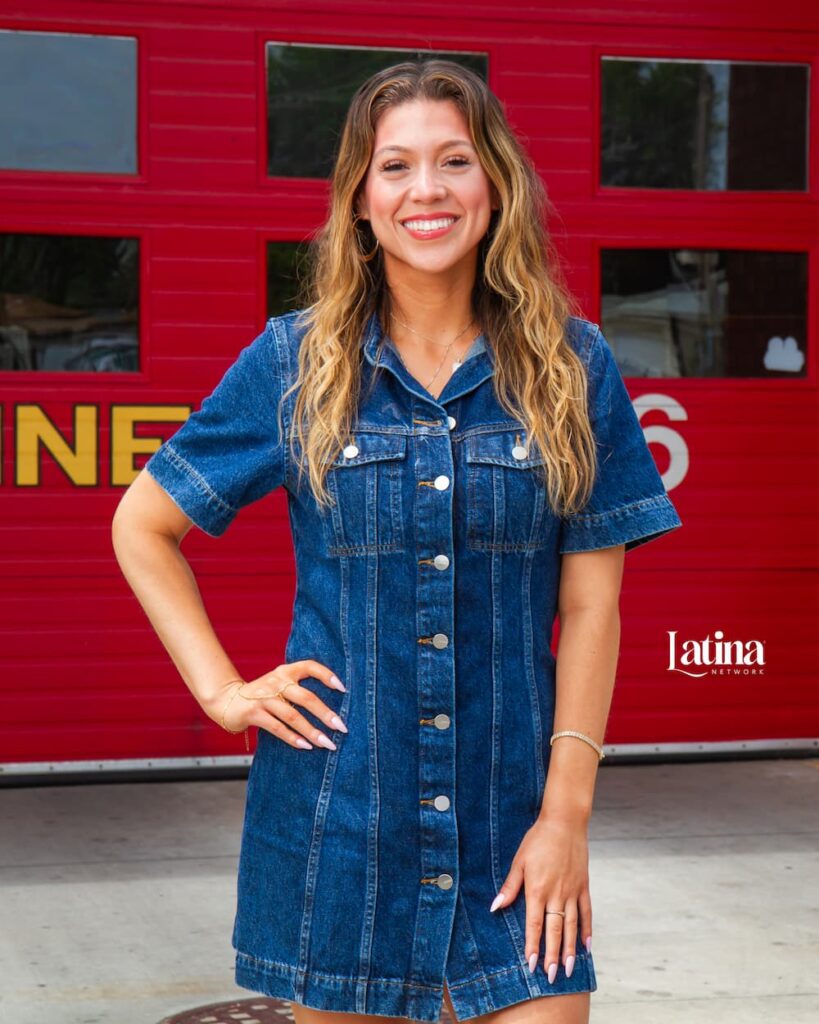
Melissa grew up inside that dual inheritance. At home, Spanish filled the rooms. Mexican food, family customs, and traditional values shaped the rhythm of daily life. Outside the home, she learned early how difference could make a child feel watched, measured, and misunderstood. The cruelty of other children taught her the cost of language before she had the vocabulary to name it, and those years forced her to practice English with a discipline that carried the weight of representing her parents in places they had worked so hard to enter.
That kind of childhood can sharpen a young woman. Melissa speaks about those years with the clarity of someone who has begun to understand the formation inside the struggle. College revealed another layer of her story, because it was there that she began to recognize herself as first-generation in a fuller sense. She had been learning systems, expectations, rooms, paperwork, language, and confidence with less inherited guidance than many of her peers, and that awareness gave her a deeper respect for the woman she was becoming.
Her degree in Business Administration and Marketing from Western Illinois University now sits inside a larger story of preparation. Melissa carries the mind of a marketer, the instincts of a connector, and the lived understanding of what representation means when a young Latina enters rooms where she can count the women who share her background. In her current work within the beauty industry, she has helped make products connected to major brands including Revlon and Estée Lauder, an experience that places her near the machinery of image, consumer desire, and cultural visibility.
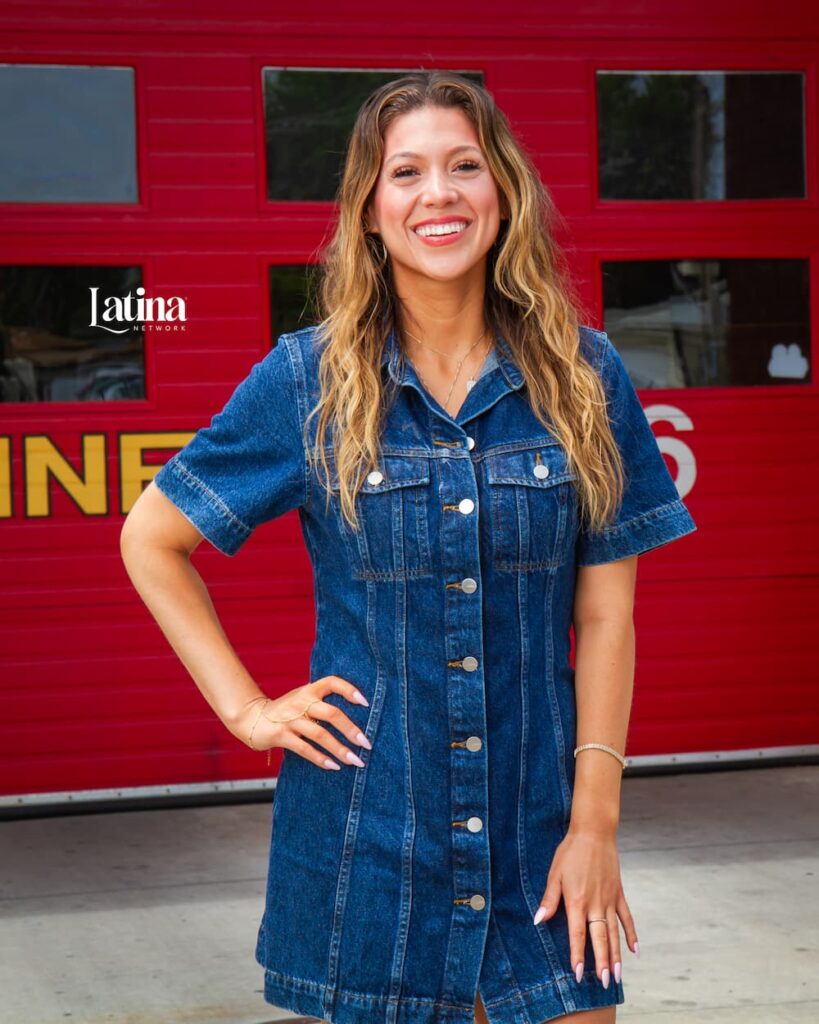
The beauty industry has given Melissa a professional doorway into a world she has long admired. Fashion, beauty, branding, events, and media hold a natural pull for her, and her recent move into the city has only expanded that ambition. She has been seeking rooms where she can make connections, show up, build confidence, and become part of the creative ecosystem that once felt distant from the suburbs.
There is something powerful about a woman entering a city with both humility and hunger. Melissa does so with a softness that feels sincere and a readiness that feels increasingly visible. She speaks with tenderness about her family and with excitement about the future, and underneath both is a young professional beginning to understand that her story gives her authority. Her life has already trained her in translation, adaptation, emotional intelligence, and cultural fluency, which are some of the very skills modern leadership now demands.
Her attraction to Latina-centered spaces reveals another dimension of her becoming. Since moving to Chicago, she has begun attending Latina events, including community fitness gatherings, and she speaks openly about the relief of being surrounded by women who understand the ease of switching between Spanish and English. For Melissa, that shared language is more than communication. It is belonging, recognition, and the comfort of being heard without having to explain the rhythm of her own voice.
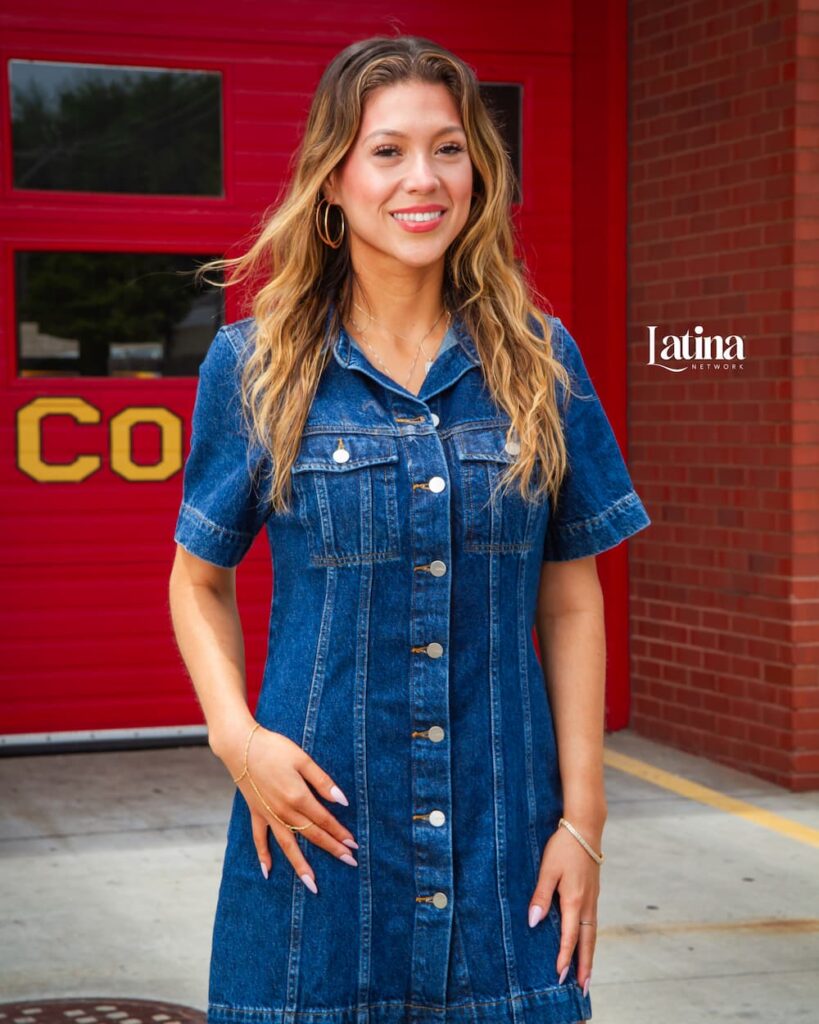
Melissa described the feeling of moving through professional spaces where Latina representation is limited, and the realization has stirred a stronger sense of pride in her own ambition. She is learning to stand inside those rooms with less intimidation and greater conviction, aware that her presence carries meaning for the women who came before her and the women who will come after.
The next chapter of Melissa’s life appears connected to visibility. She has the educational foundation, the cultural story, the professional exposure, and the emotional intelligence to become a meaningful voice within the Latina community. Content creation, for her, has the potential to become more than personal branding. It can become a bridge between women who are building careers, finding confidence, honoring their families, and learning how to take up space in industries that shape culture.
Latina Network exists for women like Melissa Padilla, women whose leadership may still be taking shape while the evidence of calling is already there. Her story reflects a generation of Latinas who carry their parents’ sacrifices into new industries, new cities, and new platforms. They are entering beauty, fashion, business, media, real estate, wellness, education, and civic life with the kind of perspective that can only come from learning how to belong across worlds.
Melissa is ready to make a name for herself. That name will carry more than ambition. It will carry Aurora, Plainfield, Mexico, Western Illinois University, her parents’ courage, her first-generation discipline, her love for beauty and fashion, and the voice of a young Latina discovering that leadership begins long before a title arrives.